
The Montessori Method
Montessori education nurtures the ability to think critically, work collaboratively, and act with confidence — skills that are invaluable in the 21st century.
At the heart of the Montessori philosophy is a deep respect for each person as a unique human being. We believe that individuals are naturally intelligent, curious, and creative, with an innate sense of wonder and imagination waiting to be cultivated. The goal is not to control learning, but to inspire it — encouraging a genuine love of discovery that lasts a lifetime.
Montessori is designed to help learners think deeply, make decisions for themselves, and consider the perspectives of others. Learning how to think — and how to learn — equips a person not only for success in school, but for life as a whole.
Maria Montessori observed that people, especially children, are natural learners and natural teachers. In a Montessori environment, learning happens for the joy of the process rather than for external rewards. Activities are repeated as often as needed, allowing each individual to fulfill an inner need, build mastery, and experience the satisfaction of purposeful work.
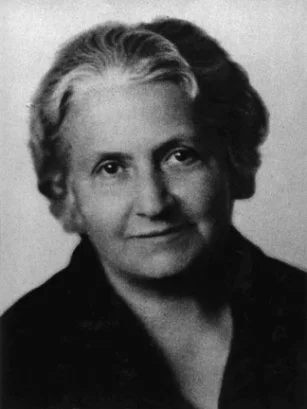
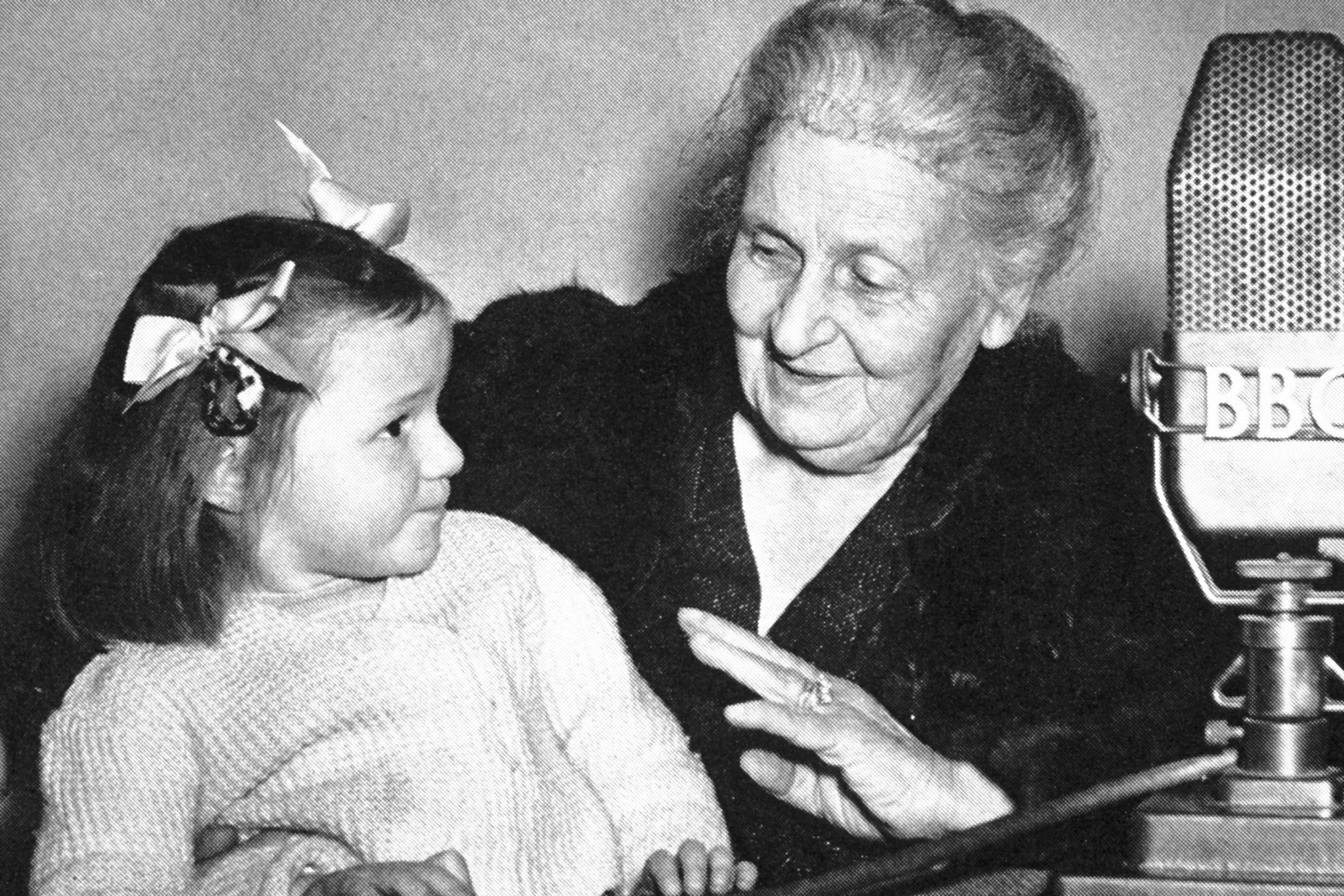
About Maria Montessori
Maria Montessori (1870–1952) was one of the most influential educators of the 20th century. She was the first woman from her university to qualify as a medical doctor, graduating from the University of Rome in 1896. Her early work with children with special needs combined compassion with rigorous scientific observation and laid the foundation for what she would later call “scientific pedagogy.”
In 1907, Dr. Montessori opened her first Casa dei Bambini (“Children’s House”) in the San Lorenzo district of Rome. There, she developed an innovative approach based on careful observation of children’s natural curiosity, independence, and ability to absorb knowledge from their surroundings. She designed materials and activities that supported self-directed learning, enabling children to explore, repeat, and master skills at their own pace.
Over the years, Montessori expanded her method to include elementary-aged children and beyond. During her time in India (1939–1945), she deepened her study of early childhood development. Her writings, including The Advanced Montessori Method, continue to guide educators worldwide.
At the heart of her philosophy was a simple but profound truth: children teach themselves. This belief fueled her lifelong commitment to educational reform, teacher training, and advocacy for the rights of the child. Today, more than a century later, Montessori schools around the world stand as a testament to her vision, helping learners of all ages grow into confident, capable, and compassionate individuals